What Medications Are Commonly Used for Oral Conscious Sedation in Dentistry?
Oral sedation is a popular choice among patients who experience anxiety during dental visits. The medications commonly used include benzodiazepines such as diazepam (Valium), lorazepam (Ativan), and triazolam (Halcion). These medications work by calming the central nervous system, allowing patients to feel relaxed and at ease throughout their procedures. Dr. Etheredge, Dr. Laszlo, and Dr. Nijem ensure that each patient receives a tailored approach based on individual needs and medical history, promoting a comfortable and stress-free environment.
Who Qualifies for Oral Sedation, and What Pre-Visit Instructions Apply?
Many individuals qualify for oral sedation, especially those with dental anxiety or phobia, previous traumatic dental experiences, or specific medical conditions that make traditional dental visits challenging. Before scheduling an appointment, it’s essential for patients to provide a comprehensive medical history to Dr. Etheredge, Dr. Laszlo, and Dr. Nijem.
Pre-visit instructions typically include avoiding food and drink for several hours before the appointment and arranging for a responsible adult to accompany them home post-procedure. This ensures safety and comfort, aligning perfectly with Smiles in the Gardens LLC’s commitment to Relaxed Patient-Focused Dentistry.
How Does Oral Sedation Differ from Nitrous Oxide and IV Sedation?
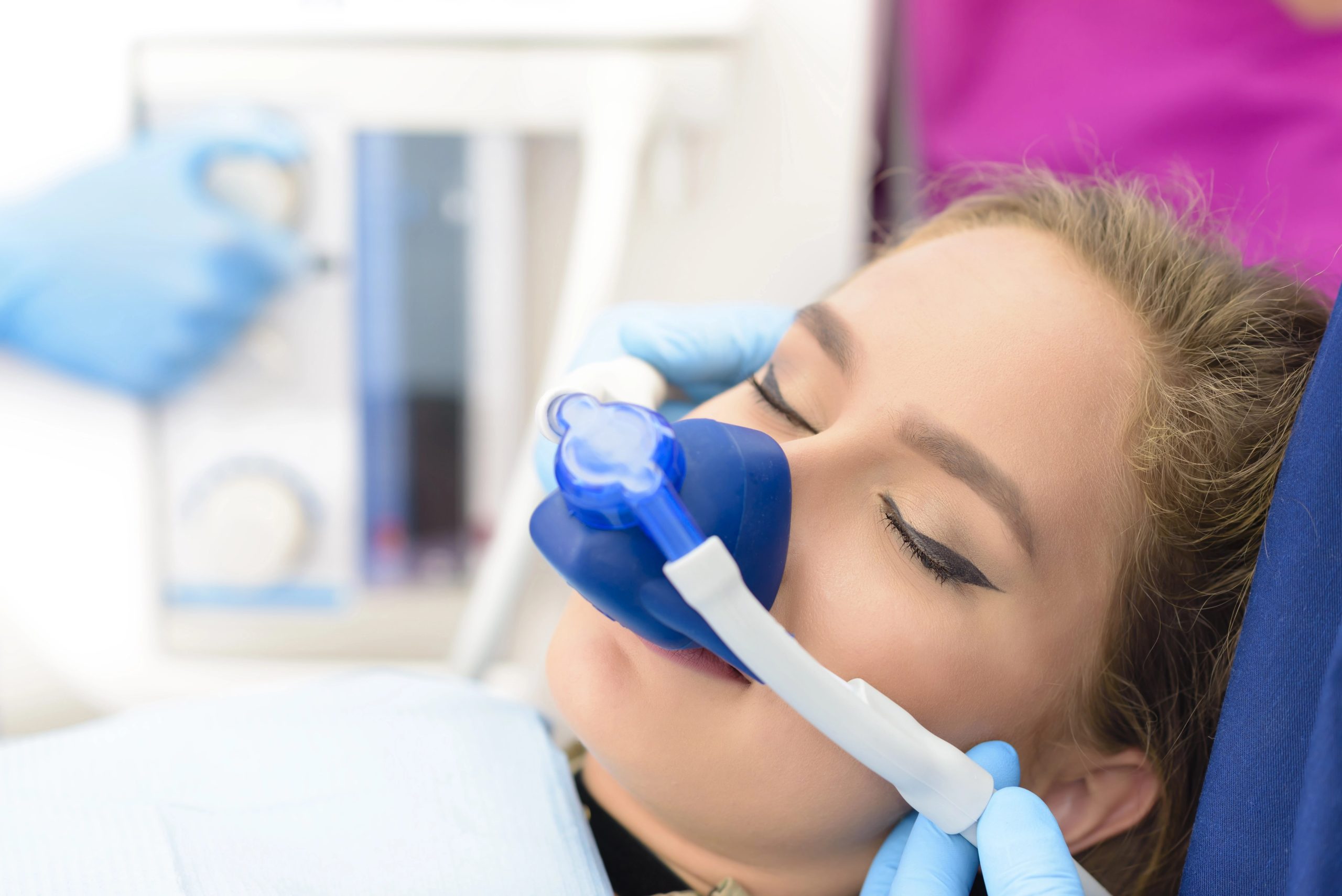
While all three methods aim to alleviate anxiety, they differ significantly in administration and effects. Oral sedation involves taking medication prior to the appointment, leading to a state of relaxation that lasts throughout the procedure. In contrast, nitrous oxide, often referred to as “laughing gas,” provides immediate effects but wears off quickly once the gas is discontinued. Intravenous (IV) sedation delivers medication directly into the bloodstream, offering deeper sedation levels and quicker onset, making it suitable for more extensive procedures.
Patients seeking gentle care can discuss these options with Dr. Etheredge, Dr. Laszlo, and Dr. Nijem to determine which method aligns best with their comfort and treatment goals.
What Monitoring Is Required During Sedated Dental Procedures?
Safety is paramount when undergoing any form of sedation. During sedated dental procedures, Dr. Etheredge, Dr. Laszlo, and Dr. Nijem monitor vital signs such as heart rate, blood pressure, and oxygen saturation levels. Continuous observation ensures that patients remain stable and safe throughout the process. The team at Smiles in the Gardens LLC prioritizes Comfort-Driven Dental Care, ensuring that every aspect of the procedure is handled with utmost professionalism and compassion.
What Are the Typical Recovery Times and Post-Sedation Restrictions?
Recovery times after oral sedation vary depending on the individual and the type of medication used. Generally, patients may feel drowsy for several hours following the procedure, so it’s advisable to rest and avoid strenuous activities for the remainder of the day. Additionally, patients should refrain from driving, operating machinery, or making important decisions until fully alert. Dr. Etheredge, Dr. Laszlo, and Dr. Nijem provide personalized post-sedation care instructions to ensure a smooth recovery, reflecting their dedication to Full-Scope Smile Solutions.
Your Path to Stress-Free Dental Visits Starts Here
If you’re searching for oral sedation, look no further than Smiles in the Gardens LLC. With compassionate care from Dr. Etheredge, Dr. Laszlo, and Dr. Nijem, your comfort and well-being are our top priorities. Call us today at 561-627-9056 to learn more about how oral sedation can transform your dental experience. For directions, visit us via Google Maps, or reach out through our contact page. Together, let’s build a trusting relationship where every visit leaves you smiling!