How Do Dentists Confirm That a Tooth Requires Root Canal Therapy?
Determining the need for endodontic treatment involves a comprehensive evaluation by Dr. Etheredge, Dr. Laszlo and Dr. Nijem. The process typically begins with a thorough examination of the patient’s dental history and symptoms. Common indicators include persistent tooth pain, swelling in the gums, or discoloration of the affected tooth. Diagnostic tools such as X-rays are employed to visualize the internal structures of the tooth, helping to identify any signs of infection or damage to the pulp. This meticulous approach ensures that patients receive tailored care that addresses their specific needs.
What Instruments and Disinfectants Are Used to Clean and Shape the Canals?
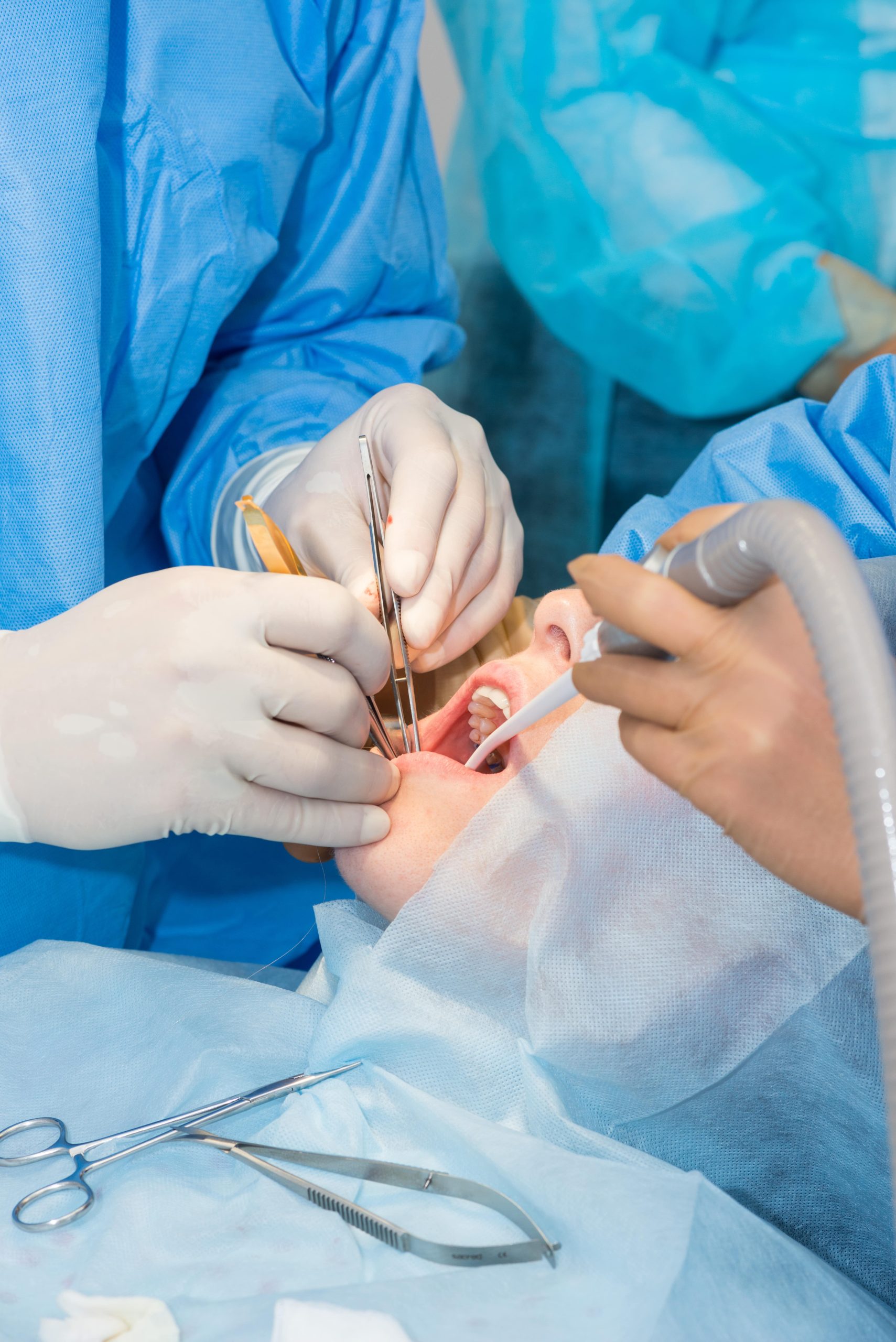
During the procedure, various specialized instruments are utilized to clean and shape the canals effectively. These may include rotary files made from stainless steel or nickel-titanium, which allow for precise removal of infected tissue while preserving healthy tooth structure. Additionally, disinfectants such as sodium hypochlorite and EDTA (ethylenediaminetetraacetic acid) are used to eliminate bacteria and debris within the canal system. This combination of advanced technology and effective disinfectants is essential for ensuring successful outcomes in root canal therapy.
Why Might a Temporary Filling or Crown Be Placed Between Visits?
In many cases, after the initial treatment, a temporary filling or crown may be placed to protect the tooth until a permanent restoration can be completed. This step is crucial for maintaining the integrity of the tooth and preventing further contamination. It also allows time for any inflammation to subside before finalizing the restoration. Dr. Etheredge, Dr. Laszlo and Dr. Nijem prioritize patient comfort and safety, ensuring that each phase of treatment is executed with precision and care.
What Are the Success Rates of Root Canal Treatment Over the Long Term?
Root canal procedures boast impressive success rates, often exceeding 90% over the long term. When performed by experienced professionals like Dr. Etheredge, Dr. Laszlo and Dr. Nijem, these treatments can provide lasting relief and restore functionality to the affected tooth. Factors influencing success include the extent of infection prior to treatment, proper post-operative care, and timely follow-up visits. Patients can feel confident knowing they are receiving high-quality care aimed at achieving optimal results.
How Should I Care for a Tooth After Root Canal Therapy Until It Is Crowned?
Post-treatment care is vital for ensuring the longevity of the treated tooth. Patients should avoid chewing on hard foods and maintain excellent oral hygiene practices, including gentle brushing and flossing around the area. It’s also advisable to attend all scheduled follow-up appointments with Dr. Etheredge, Dr. Laszlo and Dr. Nijem to monitor healing progress. By adhering to these guidelines, individuals can help ensure their recovery is smooth and successful until the final restoration is placed.
Your Path to Comfort-Driven Dental Care Awaits
If you’re searching for exceptional root canal treatment, look no further than Smiles in the Gardens LLC. Experience relaxed patient-focused dentistry with Dr. Etheredge, Dr. Laszlo and Dr. Nijem, where compassionate care meets full-scope smile solutions. Contact us today at 561-627-9056 or visit our contact page to schedule your appointment. You can also find us on Google Maps. Your journey towards a healthier, happier smile starts now!